



90
New Businesses Opened
673
New Jobs Created
28
New Upper-Floor Housing Units
Main Street is a self-help, technical assistance program that targets revitalization and preservation of downtown districts through the development of a comprehensive strategy.
The program has a long history of success throughout the United States and in Kansas. What started as a small pilot program in the late 1970s has now grown to include nearly 2,000 communities in more than 40 states. Throughout the country, communities have utilized the Main Street ApproachTM to rally residents around a focused plan of action that transforms their community and enhances their quality of life.
From 1985 to 2012, more than $600 million in redevelopment took place in participating Kansas communities. This included the opening or expansion of 3,800 small businesses, creating more than 8,600 new jobs. With the return of the state program in 2020, 25 previously participating communities and new programs will once again have the resources and tools they need to breathe new life into their communities and historic commercial districts.
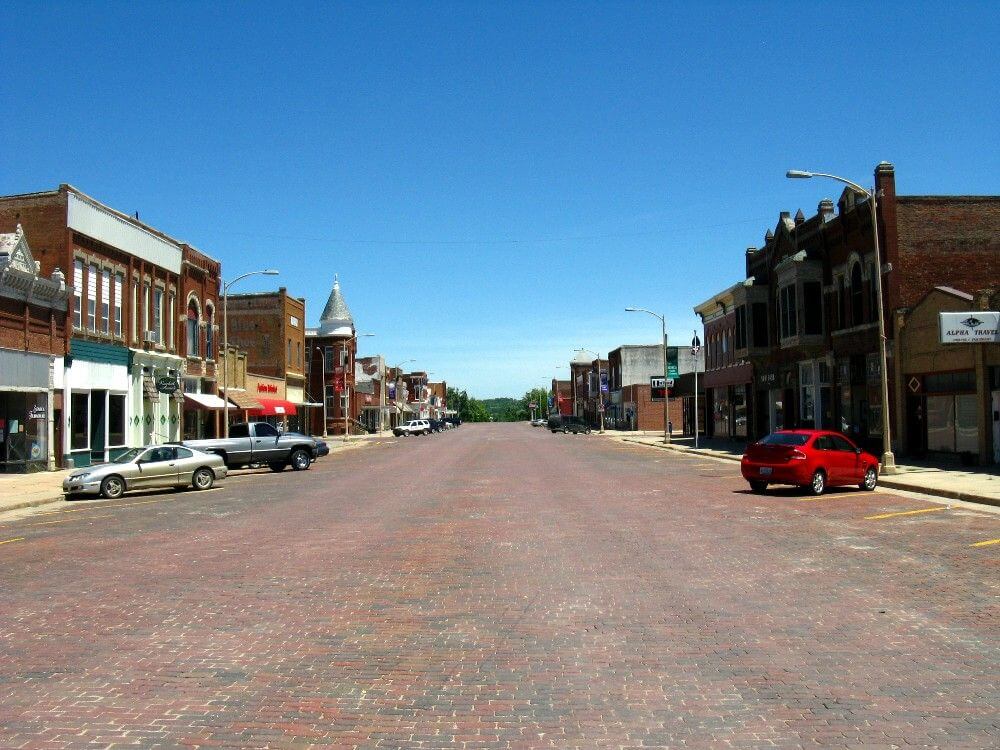
Our Main Street of the Month is Seneca Area Chamber of Commerce and Downtown Impact, an Ad Astra Tier Community, and our Main Street of the Year.
Since 2007, Seneca Area Chamber of Commerce and Downtown Impact, has proudly maintained its accreditation as a Kansas Main Street community and Main Street America program. As a distinguished Main Street America™ Accredited program, Seneca Downtown Impact stands out among over 1,200 neighborhoods and communities nationwide, demonstrating a commitment to creating exceptional places and fostering stronger communities through preservation-based economic development.
These esteemed programs adhere to rigorous National Accreditation Standards of Performance set by the National Main Street Center. The Seneca Area Chamber of Commerce and Downtown Impact is dedicated to promoting, enhancing, and improving the business, civic, historical, and cultural vitality of the Seneca area, striving to create a thriving, environmentally conscious, and economically robust community.
This level recognizes exemplary achievement by a local Main Street organization and the community wide impact it has in preserving and enhancing the downtown commercial district by maintaining the historic fabric of the community as well as its position as an economic engine. These local programs have earned Ad Astra status through Kansas Main Street (MSA). Communities must first have Designated status a minimum of five years to earn Ad Astra Status.
To become a Designated Kansas Main Street community, registrants must participate in a competitive, annual application process. This process includes attending our Application Workshop and attaining recommendation by the Review Team based on their evaluation of a community’s capacity to achieve success. The completed application must demonstrate:
To learn more about how to become a Designated Kansas Main Street Community and what that entails, contact our staff below.
This tier represents communities who have interest in becoming a Designated Community in the KMS program, or who want to gain additional tools to assist in their downtown revitalization efforts.
Kansas Main Street in partnership with Main Street America has guided the Countywide Main Street Pilot through virtual touch points with the 501(c)(6) board and community representatives, aligning on structure, goals, and priority needs. The aim: help communities build capacity, become self-sustaining, and create vibrant downtowns, positioning them to apply for Designated Program status at the Pilot's end. The model is hub-and-spoke—the countywide "hub" sets shared outcomes, manages funding, runs shared tools, and reports on impact, while each community "spoke" runs its own district and action team with a locally-owned work plan.
The goal of the Residential Opportunities on Main Street (ROOMS) grant program is to encourage renovation and improvements in the upper floors of commercial buildings in local Main Street districts consistent with proven Main Street practices, including those that retain unique historic elements and use materials that lower operating costs by conserving energy. The expected outcome of this program is to create new housing opportunities in downtown commercial districts; rehabilitate or preserve properties; and create a stronger tax base.

 English
  Español
  日本語
日本語