
Blueprint to Build
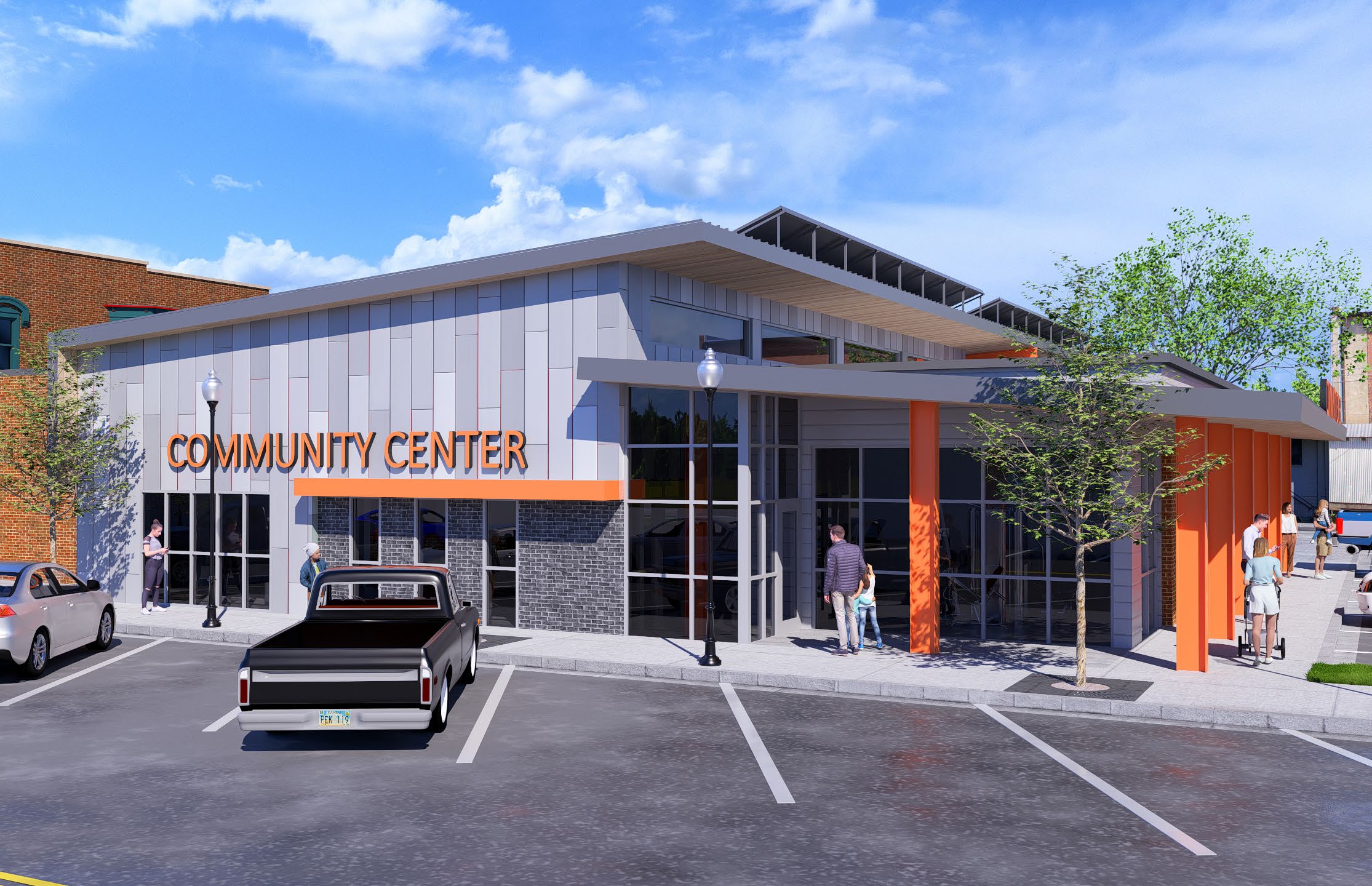
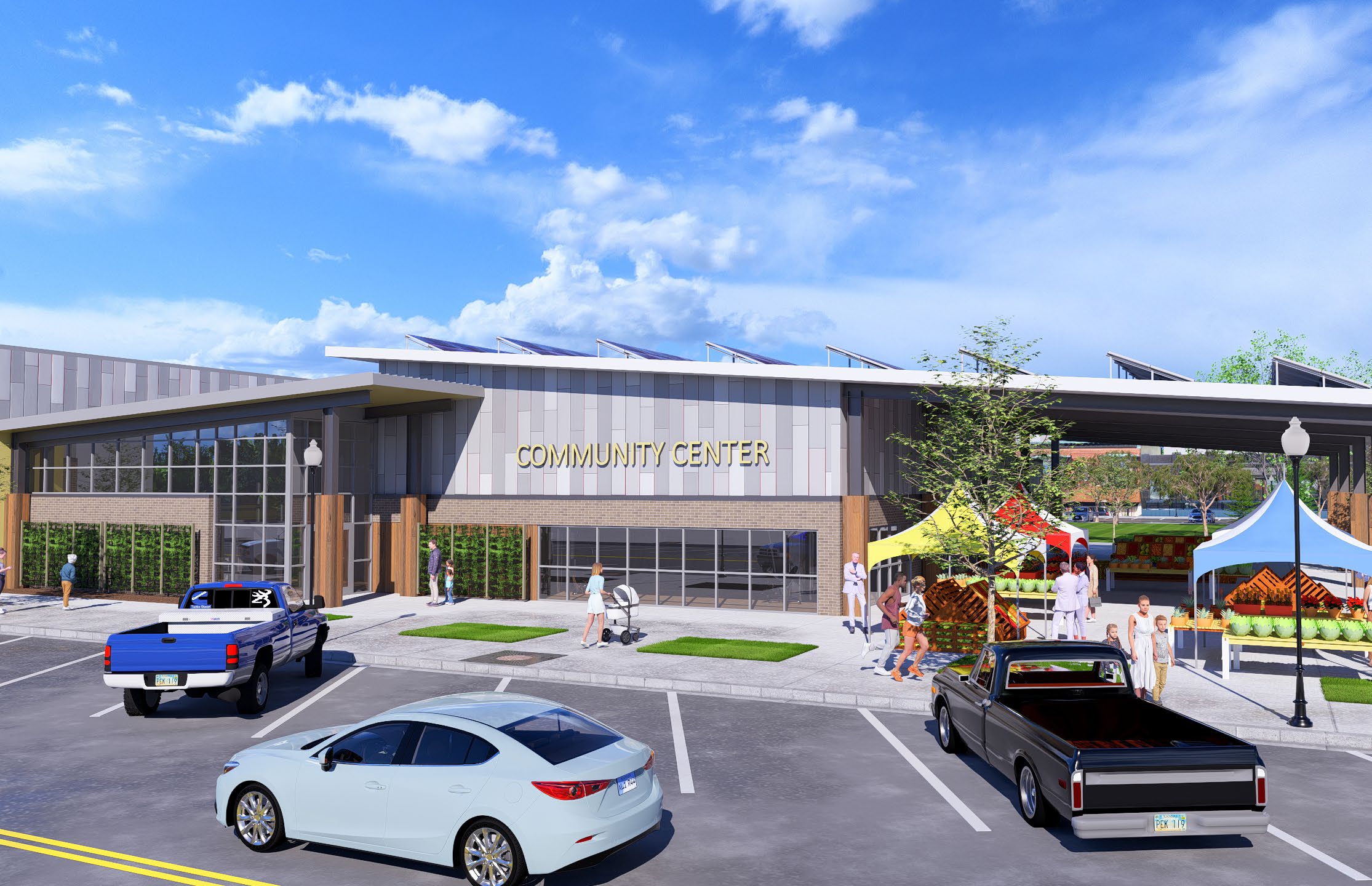
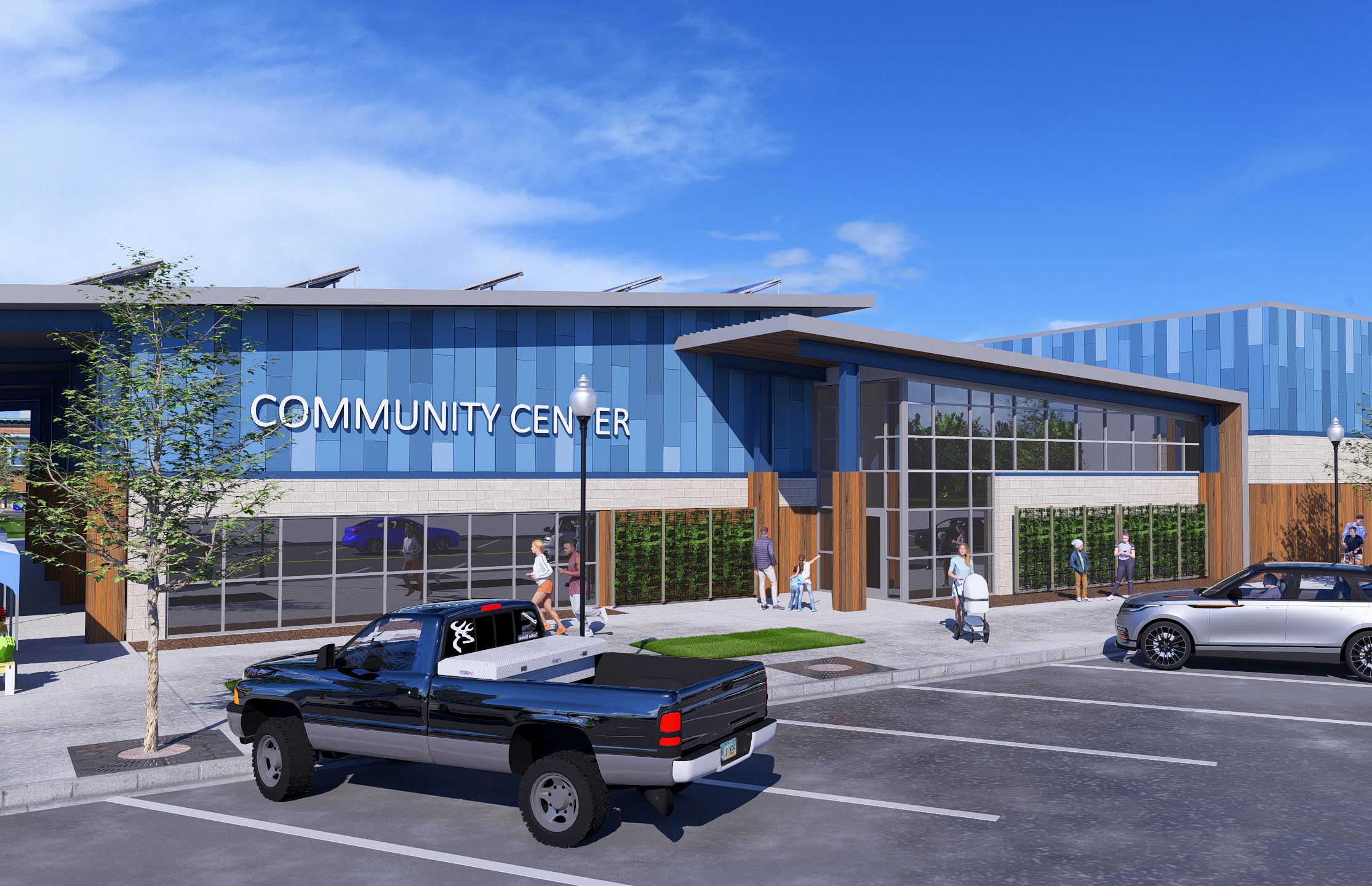
The Blueprint to Build Grant Program offers Kansas communities a streamlined path to developing a new community center. Cities can choose from three pre-designed blueprint layouts, making the process simpler and more affordable.
MAX AWARD
$2,500,000 – $4,000,000
Based on community center selected
MATCH
Remaining project cost after CDBG award
Qualify
SEE IF YOUR COMMUNITY QUALIFIES
Check qualifications, programs, and more
Purpose
The Blueprint to Build Grant Program is designed to make it easier and more affordable for small communities to build new community centers. By offering three pre-designed, modern, and energy-efficient blueprints—already paid for with CDBG funds—cities can skip most of the costly design work and long planning timelines. View Blueprint to Build Designs
Eligible Use of Funds
A total of $14 million has been allocated for the Blueprint to Build Grant Program. While some flexibility exists for additional features, major modifications are not allowed. Minor modifications to the approved design are permitted but must be funded by the applicant and approved by Commerce on a case-by-case basis. CDBG funds support construction of a community center using one of the three designs, which include:
CDBG National Objectives
All CDBG projects must meet a national objective and involve an eligible activity under the Housing and Community Development Act of 1974. The three CDBG national objectives are:
All activities proposed in applications for the Blueprint to Build Grant Program must meet the national objective of benefiting low- and moderate-income persons with a minimum of 51% LMI beneficiaries. This can be accomplished either by using HUD census data or by completing an income-based survey. Applicants must receive CDBG approval before starting a survey and follow the approved income-based survey methodology.
Selection Criteria
Grant applications are evaluated for funding based on project need, past efforts to address need, project readiness, project impact, and ability to maintain. Key considerations include:
Download the 2026 Blueprint to Build Guidelines for more information on program requirements.
Matching Funds
Local funding is required for all CDBG projects, and no project can be funded entirely by grants. Matching funds can originate from private or public sources, but the application must document that these funds are firmly committed (e.g., a letter of commitment from a bank or other funding source). Examples of matching funds include bank loans, industrial revenue bonds, owners’ equity, contributions from local governments, or grants and loans from economic development entities.
Applicants are allowed to match CDBG funds with other grant funds if that funding is secured in a city/county account by the time the contract is signed. At least 10% of the matching funds must be cash from a local source (i.e., owner funds, city/county cash). Any expenses incurred prior to the grant award are ineligible for reimbursement with CDBG funds. This includes grant writing, engineering, and architecture.
A pre-application must be submitted and approved by CDBG before an application can be submitted. The pre-application is used to determine project eligibility and readiness before proceeding to the full application stage. Commerce will review submissions within ten days and provide further instructions. Only those with an approved pre-application may submit a full application, but approval of the pre-application does not ensure grant funding. Please discuss your project with CDBG staff before submitting a pre-application. You can contact a project manager at any time or email [email protected].
Pre-Application Form
Additional Resources
Communities may apply for multiple CDBG categories but can only be awarded up to two projects total, with no more than one from a major category. Major categories include: Community Facilities: Large/Small, Blueprint to Build, Water and Sewer Infrastructure, and Regional Water Implementation. For example, a city can submit applications for a Housing Rehabilitation and a Community Facilities: Large Grants project. However, a city cannot apply for both a Large and Small Community Facilities project.
Citizen participation is a required component of the CDBG program. Any local government applying for CDBG funds must provide citizens with reasonable opportunities to participate in the planning and development of applications, especially residents of proposed project areas. Citizens must be provided adequate and timely information so they can be meaningfully involved in important decisions.
Public Hearing Timeline
The purpose of the initial public hearing is to inform citizens about the proposed project, including its location, total cost, activities, and beneficiaries. Community members must be given a chance to suggest other project ideas and share their input, and the local governing body should carefully consider this feedback before submitting the application. The initial public hearing must be held at least 15 FULL days before the CDBG application is submitted, and no earlier than 120 days. The total project funding and CDBG amount requested must match what appears in the public hearing notice.
Public hearings must be held at a time and location convenient to potential or actual beneficiaries, with accommodations for non-English speaking residents and persons with disabilities. Records of these efforts must be part of the grant files, including the public hearing notice, affidavit of publication, record of posting, public hearing attendance log, public hearing minutes, any written complaints and grantee response, and any other documented efforts to involve citizens throughout all stages of the project.
Requirements to Publish a Public Hearing Notice
A notice about the hearing must be published at least 5 FULL days in advance (but no more than 20 days) in advance to allow citizens the opportunity to schedule their attendance. The day that the public hearing notice is first advertised and the day of the public hearing do NOT count towards the minimum 5 day period.
Notices must be published in a local newspaper having the widest general circulation in the community or on the government website that is accessible to persons with disabilities or Limited English Proficiency. Applicants must also make every effort to inform those who might not be reached through the newspaper notice or website that the public hearing is to be held. Such efforts might include the distribution of leaflets, posting notices on bulletin boards at town hall, social media channel announcements, notices to local organizations, clubs, and churches, and/or personal contact.
Community Showcase Map
See other communities that have received funding in past years
Qualify
LMI help The Community Development Block Grant (CDBG) program requires that each CDBG funded activity must either principally benefit low- and moderate-income (LMI) persons, aid in the prevention or elimination of slums or blight, or meet a community development need having a particular urgency.
| Persons in Family |
LMI Family Income Limit* |
|---|---|
| 1 | |
| 2 | |
| 3 | |
| 4 | |
| 5 | |
| 6 | |
| 7 | |
| 8 |
LMI calculations are from the 2020 Census and LMI by household are from 2026 HUD Section 8. Final LMI will be confirmed upon application review.
Find Assistance
Assistance from a professional with CDBG grant experience can help you streamline and strengthen your application. Some or all of the costs to engage help can be covered by your award.
Find Pros in Your AreaApplication
2026 CDBG Blueprint to Build Guidelines (.pdf) CDBG Blueprint to Build Designs (.pdf) view all resources ApplicationDeadline: October 16, 2026
Get notifications for this year and next year





 English
  Español
  日本語
日本語