



General Information Workshop – March 6, 2026 | 10:00AM
Kansas Commerce invites community leaders from eligible Opportunity Zone tracts to a general information workshop. We’ll cover the basics of…
Overview and designation process for Kansas
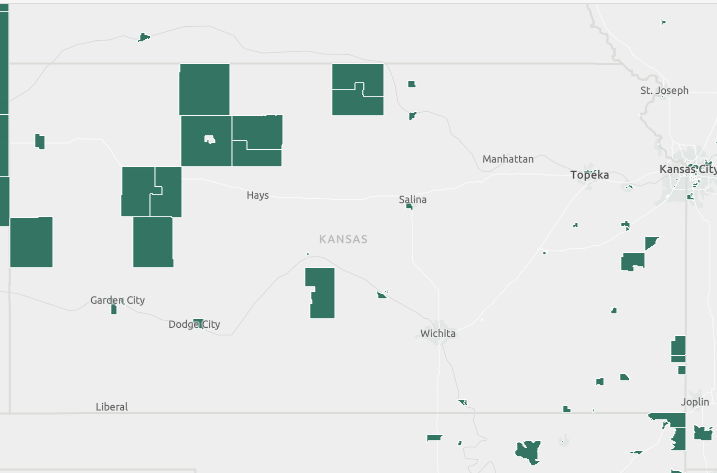
Under Opportunity Zones 2.0, states will again nominate eligible low-income census tracts for designation, guiding where qualifying long-term private investment may receive federal tax incentives beginning in 2027. For Kansas, this cycle represents a more focused designation process, with fewer zones overall. Qualifying tracts are based on census data and certified by the US Treasury. Kansas Commerce will provide support to eligible communities in developing their proposals as well as determine which qualified Opportunity Zone proposals to present to the Governor for official nomination.
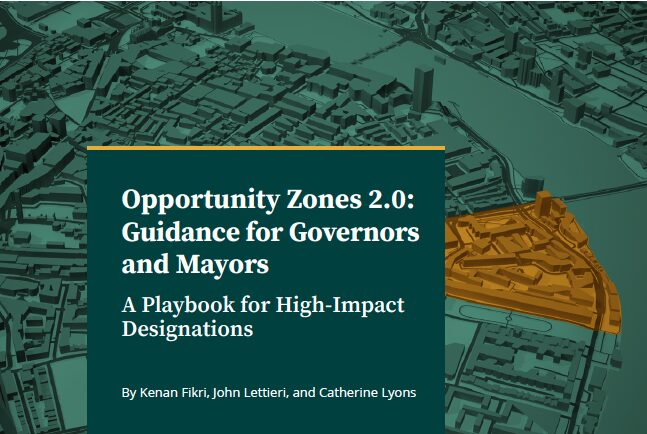
Opportunity Zones are designated low-income census tracts where investors can receive federal tax incentives for making long-term investments. Investments must be made through a Qualified Opportunity Fund (QOF) and support qualifying activities, such as development, redevelopment, business growth, mixed-use development, and more. The intent is to encourage long-term capital investments in low-income communities.
A Qualified Opportunity Fund (QOF) is an investment fund created specifically to invest in Opportunity Zones. QOFs pool capital from investors and deploy it into qualifying projects or businesses located in designated Opportunity Zone census tracts. These investments can include real estate development, business operations, or other activities that put capital to productive use in the zone.
Qualified Opportunity Funds must:
Communities located within eligible census tracts may request consideration for Opportunity Zone designation by submitting a clear investment case to the state. While formal nominations are ultimately submitted by the Governor, communities play an important role in identifying opportunities and demonstrating readiness for investment.
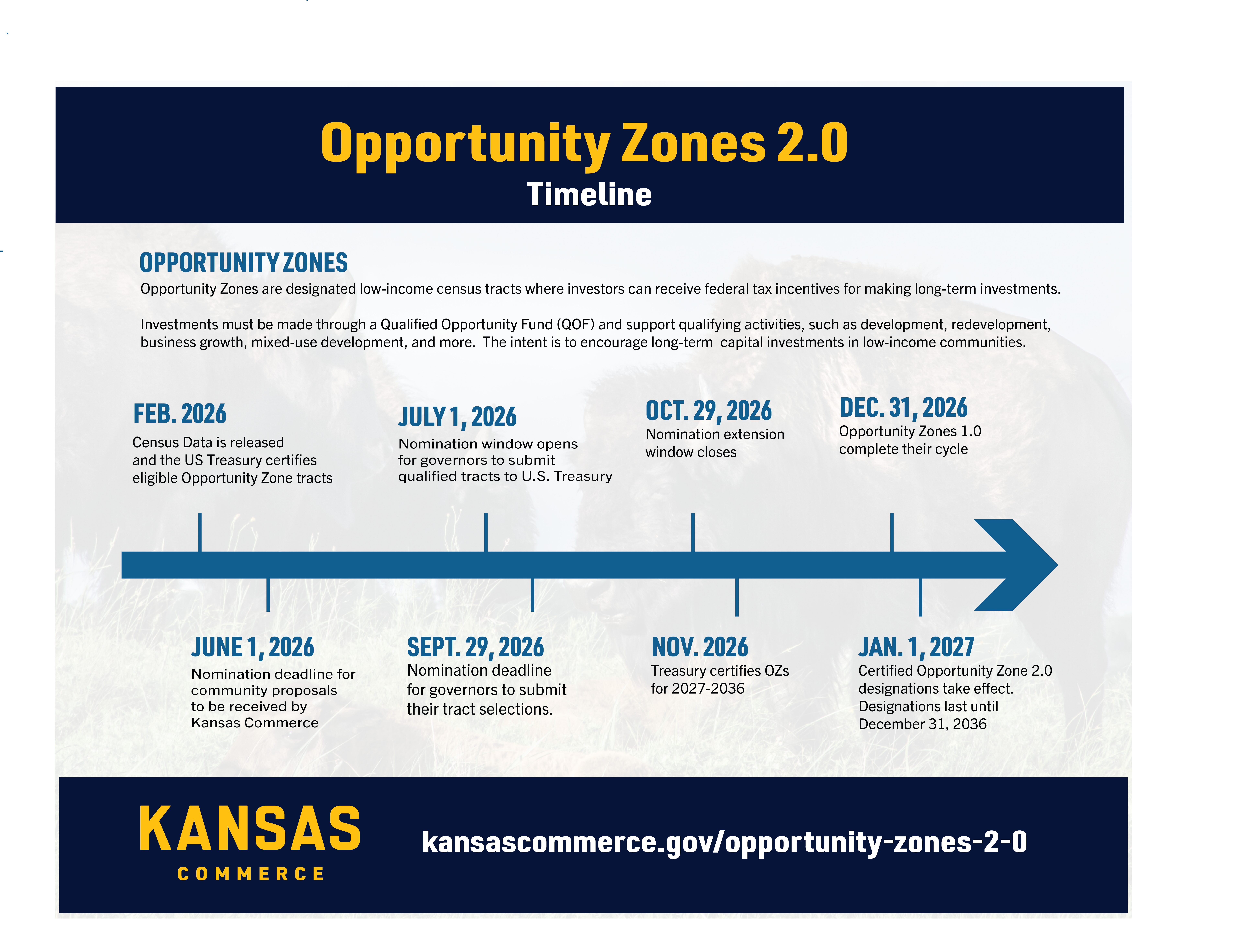
Kansas Commerce will review and vet proposals before advancing recommendations for consideration. Proposals must be received by June 1, 2026, in order to be considered during the designation process.
In advance of the community nomination deadline, Kansas Commerce Business Development staff will conduct workshops and information sessions to help communities understand the process, prepare proposals, and identify potential investment opportunities.
Additional guidance, including the Community Opportunity Zone Application and further details about the submission process, will be released in advance of the deadline.
Investors in qualifying Opportunity Zone investments may receive federal capital gains tax benefits, including:
Opportunity Zones designated during the 2017 program cycle will remain in effect through December 31, 2026. Communities and investors interested in continuing or updating their Opportunity Zone efforts should be prepared to:
Opportunity Zones 2.0 updates both eligibility and designation rules. While Opportunity Zones remain limited to low-income census tracts, the federal poverty and income thresholds used to define eligibility have been updated.
From this eligible pool, governors may nominate no more than 25 percent of qualifying census tracts for designation, resulting in fewer Opportunity Zones overall. In Kansas, this is expected to reduce the number of designated zones from 74 to approximately 53.
Once designated, Opportunity Zones under this cycle will remain in place for a ten-year period, from 2027 through 2036.
The Opportunity Zones 2.0 timeline includes the following key milestones:
Opportunity Zone projects commonly intersect with other local development priorities. Eligible communities should consider how Kansas Commerce programs may support housing, business, and infrastructure objectives.
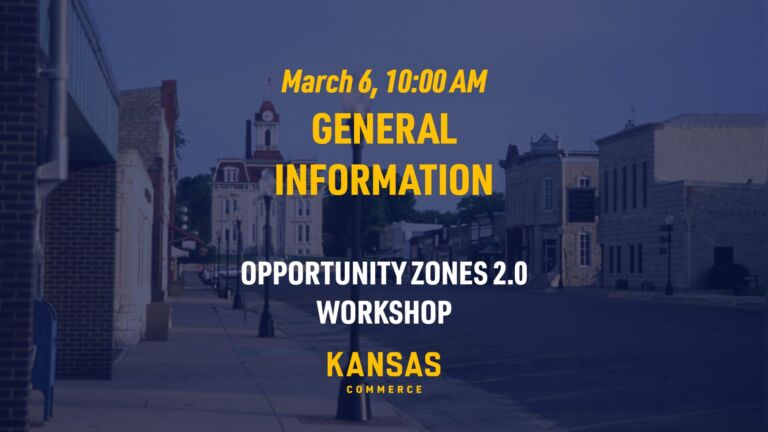
Kansas Commerce invites community leaders from eligible Opportunity Zone tracts to a general information workshop. We’ll cover the basics of…
For community leaders in eligible Opportunity Zone tracts, this workshop will cover nomination document structure, required elements, and best practices…
Community leaders in eligible Opportunity Zone tracts are invited to this final pre-deadline workshop to ask questions, confirm requirements, and…

 English
  Español
  日本語
日本語